
Digital Marketing for Plumbers: Proven Strategies to Dominate Your Local Market
Still waiting for referrals to fill your schedule? Here's the reality: 97% of consumers search online before hiring a local service provider. That means when a homeowner in Twin Falls wakes up to a burst pipe at 2 AM, they're not flipping through the Yellow Pages or asking their neighbor for recomme
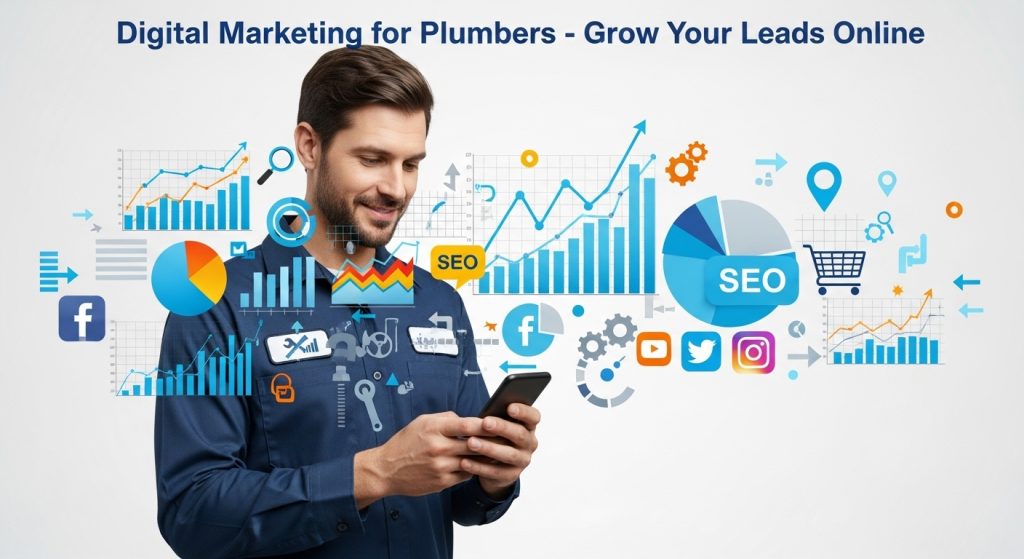
Still waiting for referrals to fill your schedule?
Here’s the reality: 97% of consumers search online before hiring a local service provider. That means when a homeowner in Twin Falls wakes up to a burst pipe at 2 AM, they’re not flipping through the Yellow Pages or asking their neighbor for recommendations—they’re Googling “emergency plumber near me.” And if your business isn’t showing up in those search results, you’re invisible to 9 out of 10 potential customers.
Digital marketing isn’t just for big corporations anymore. It’s the difference between scrambling for jobs and having customers find you. This guide breaks down the seven essential strategies that will help you rank higher on Google, get more service calls, and grow your plumbing business—without needing a marketing degree or a massive budget.
TL;DR
Most plumbers lose customers because they rely on word-of-mouth alone. This guide covers seven proven digital marketing strategies:
- Build a conversion-focused website (not just a pretty one)
- Master local SEO to dominate “near me” searches
- Run targeted Google Ads that actually pay for themselves
- Collect and leverage online reviews for trust and rankings
- Use social media to stay top-of-mind when emergencies strike
- Automate follow-ups with email and text for repeat business
- Track ROI so you know what’s working and what’s wasting money
Implement these tactics and you’ll see more calls, better customers, and predictable revenue—fast.
Why Digital Marketing for Plumbers Matters More Than Ever
The plumbing industry has changed dramatically in the last five years. Homeowners don’t call the first plumber they think of anymore—they research, compare reviews, check websites, and often make decisions based on who shows up first in search results.
Consider this: In Twin Falls and across Magic Valley, searches for “emergency plumber” spike by 60% during winter months when frozen pipes become a crisis. If your business doesn’t appear in the top three Google results for those searches, you’re losing those high-value emergency calls to competitors who invested in digital marketing.
Here’s what’s happening right now:
- 88% of local searches that include “near me” result in a phone call or visit within 24 hours
- Customers view an average of 10 online reviews before choosing a plumber
- 70% of mobile searches for local services lead to action within one hour
- Over 50% of website traffic now comes from mobile devices
If your business isn’t showing up online, it’s invisible. And in today’s market, invisible means out of business.
The good news? Digital marketing levels the playing field. A three-person plumbing company in Buhl can outrank a 20-truck operation in Boise—if they do it right. Let’s break down exactly how.
Build a Website That Converts — Not Just Impresses
Your website isn’t a digital brochure. It’s your 24/7 salesperson, working while you sleep to capture leads, book appointments, and answer common questions. But here’s the mistake most plumbers make: they focus on making their site look pretty instead of making it convert visitors into customers.
What makes a plumbing website convert?
Mobile-First Design
More than half of your website visitors are on smartphones—often in a moment of crisis. If your site takes more than 3 seconds to load or isn’t easy to navigate on mobile, they’ll hit the back button and call your competitor.
Real example: Doulos Plumbing in Buhl serves Twin Falls County and surrounding areas with a mobile-optimized site that features:
- Click-to-call phone number prominent at the top (208-544-4922)
- Clear service descriptions with no jargon
- Fast-loading images of completed work
- Simple navigation that gets visitors to contact forms in one click
Their site works because it’s designed for homeowners with an emergency, not to win design awards.
Clear Calls-to-Action (CTAs)
Every page should answer: “What do you want the visitor to do next?” Whether it’s “Call Now,” “Get a Free Estimate,” or “Schedule Online,” make it obvious and easy.
Action items for your site:
- Add click-to-call buttons on every page (especially mobile)
- Include a contact form above the fold on your homepage
- Use contrasting colors for CTA buttons so they stand out
- Add urgency: “Same-Day Service Available” or “24/7 Emergency Response”
Trust Signals
Homeowners are inviting you into their property. They need to trust you before they pick up the phone. Build trust with:
- Customer reviews and testimonials on your homepage
- Photos of your team and trucks (proves you’re a real, local business)
- Licensing and insurance information clearly displayed
- Before-and-after project photos
- Service area map showing exactly where you work
Service Area Pages
Don’t just say “serving Twin Falls and surrounding areas.” Create dedicated pages for each city or region you serve:
/plumber-twin-falls-id/emergency-plumber-jerome-idaho/plumbing-services-buhl
Each page should include local details: neighborhoods you serve, common plumbing issues in that area (frozen pipes in winter, hard water problems, etc.), and why you’re the best choice for that specific community.
TRW Plumbing does this well, clearly stating they serve Twin Falls, Boise, and Caldwell areas with dedicated service descriptions for each market.
Bottom line: A website that converts focuses on speed, mobile usability, clear CTAs, and trust signals—not flashy animations or complicated navigation.
Master Local SEO for Plumbers
Local SEO is how you show up when someone searches “plumber near me” or “emergency plumber Twin Falls.” It’s the highest-ROI marketing channel for plumbers because you’re capturing customers at the exact moment they need your services.
Optimize Your Google Business Profile (GBP)
Your Google Business Profile (formerly Google My Business) is the single most important local SEO asset you have. When someone searches for a plumber, Google shows a “Map Pack”—the top three local businesses with reviews, hours, and contact info. If you’re not in that Map Pack, you’re missing 40-50% of local search traffic.
How to optimize your GBP:
- Claim and verify your listing at google.com/business
- Complete every field:
- Business name (use your actual business name, not keyword-stuffed)
- Address (use your real office/service address for NAP consistency)
- Phone number (local number, not toll-free)
- Website URL
- Business hours (including emergency/after-hours availability)
- Service areas (list every city, ZIP code, county you serve)
- Choose the right categories:
- Primary: “Plumber” or “Plumbing Service”
- Secondary: “Emergency Plumber,” “Water Heater Installation Service,” “Drain Cleaning Service”
- Add high-quality photos:
- Your team in branded uniforms
- Trucks with company logo
- Completed projects (before/after shots)
- Your office or shop
- Upload 20+ photos minimum
- Write a compelling business description:
- Include keywords naturally: “Doulos Plumbing provides residential and commercial plumbing services to Twin Falls County, including emergency repairs, water heater installation, drain cleaning, and backflow prevention.”
- Mention your service areas: “Serving Twin Falls, Jerome, Buhl, Filer, and surrounding Magic Valley communities.”
- Highlight what makes you different: “Family-owned, licensed, 20+ years experience.”
Publish Regular GBP Posts
Google rewards active profiles. Post weekly updates:
- Seasonal promotions: “Winter is coming! Schedule your furnace check before the first freeze. Call (208) XXX-XXXX.”
- Service highlights: “Did you know we offer 24/7 emergency plumbing? Save our number: (208) XXX-XXXX.”
- Project showcases: Photo of a completed water heater installation with caption: “Another happy customer in Twin Falls! Need a new water heater? Get a free quote today.”
These posts keep you visible in local search and show Google your business is active and engaged.
Build Local Backlinks
Backlinks (other websites linking to yours) tell Google your business is trustworthy and relevant. Focus on local, industry-relevant links:
Where to get local backlinks:
- Twin Falls Area Chamber of Commerce (member directory listing)
- Better Business Bureau (BBB Idaho profile)
- Local suppliers: Ask your parts suppliers (EASCO, Ferguson, local HVAC distributors) if they have a “preferred contractors” page
- Trade associations: Idaho Plumbing & Mechanical Contractors Association, local trade groups
- Local news/blogs: Sponsor a Little League team, donate to a school fundraiser, volunteer—get featured on local sites
- Directories: Yelp, Angi, HomeAdvisor, Thumbtack (these also generate leads)
Quality over quantity: One link from the Twin Falls Chamber is worth more than 100 links from random directories.
Create Location-Specific Content
Doulos Plumbing does this exceptionally well with their blog “Tales from the Plumbing Trailer.” They publish articles targeting exactly what Twin Falls homeowners search for:
- “Why Backflow Prevention Matters in Twin Falls”
- “Choosing the Right Water Heater for Your Twin Falls Home”
- “Twin Falls Homeowners Want Smarter, Budget-Friendly Upgrades”
Each post targets local search terms (e.g., “backflow prevention Twin Falls”) and answers common customer questions. This content:
- Ranks for long-tail local keywords
- Builds topical authority (Google sees you as the expert)
- Educates customers, making them more likely to call you
- Provides shareable content for social media
Action step: Publish one local blog post per month. Topics for Magic Valley plumbers:
- “Preparing Your Jerome Home for Winter: Plumbing Checklist”
- “How Much Does a Water Heater Replacement Cost in Twin Falls?”
- “Common Plumbing Problems in Older Buhl Homes (And How to Fix Them)”
- “Hard Water Solutions for Magic Valley Homeowners”
Schema Markup
Add LocalBusiness schema to your website so Google understands exactly what you do and where you serve. This structured data helps you show up in relevant searches.
{
  "@context": "https://schema.org",
  "@type": "Plumber",
  "name": "Your Plumbing Company",
  "address": {
    "@type": "PostalAddress",
    "streetAddress": "123 Main St",
    "addressLocality": "Twin Falls",
    "addressRegion": "ID",
    "postalCode": "83301"
  },
  "telephone": "(208) XXX-XXXX",
  "areaServed": ["Twin Falls", "Jerome", "Buhl", "Filer", "Kimberly"],
  "openingHours": "Mo-Fr 08:00-17:00",
  "priceRange": "$$"
}
Most website platforms (WordPress with Yoast SEO, etc.) make adding schema simple.
Bottom line: Local SEO is about optimizing your Google Business Profile, building local backlinks, creating location-specific content, and making it crystal clear to Google that you serve Twin Falls and Magic Valley.
Run Google Ads That Actually Pay Off
Google Ads (pay-per-click or PPC) can generate leads fast—but only if you target the right keywords, write compelling ads, and track your ROI. Too many plumbers waste money on broad, expensive keywords without a clear strategy.
Target High-Intent Keywords
Not all searches are created equal. Someone searching “how to fix a leaky faucet” is DIY-researching. Someone searching “emergency plumber Twin Falls” has a crisis and needs help NOW. Focus your ad spend on high-intent keywords:
High-intent keywords (target these):
- “emergency plumber [city]”
- “plumber near me”
- “burst pipe repair [city]”
- “water heater replacement [city]”
- “24 hour plumber [city]”
Low-intent keywords (avoid or use minimal budget):
- “how to fix a toilet”
- “plumbing tips”
- “DIY drain cleaning”
Local modifiers matter: Bidding on “plumber” is expensive and brings in irrelevant clicks. “Emergency plumber Twin Falls” is cheaper and brings in customers ready to book.
Write Ads That Convert
Your ad copy should:
- Match search intent: If someone searches “emergency plumber,” your headline should say “24/7 Emergency Plumber – Fast Response”
- Include your USP (unique selling point): “Licensed & Insured,” “Same-Day Service,” “No Trip Charge”
- Use ad extensions:
- Call extension (click-to-call on mobile)
- Location extension (shows your address)
- Sitelink extensions (link to specific services: Water Heaters, Drain Cleaning, Emergency Service)
- Callout extensions (“20+ Years Experience,” “Free Estimates,” “Open 24/7”)
Example ad:
Headline: Emergency Plumber Twin Falls | 24/7 Service
Description: Burst pipe? Water heater out? We're on our way. Licensed, insured, same-day service. Call now: (208) XXX-XXXX
Budget Optimization
You don’t need a massive budget to see results. Start small and scale what works.
Real example: A Twin Falls plumber spent $20/day ($600/month) targeting “emergency plumber Magic Valley” and related keywords. They generated 15 qualified calls per week—60 calls/month. If they closed 40% (24 jobs) at an average ticket of $350, that’s $8,400 in revenue from $600 ad spend. ROI: 14x.
Action steps:
- Start with $15-25/day budget
- Track every call with call tracking software (CallRail, CallTrackingMetrics)
- Identify which keywords generate jobs (not just clicks)
- Pause keywords with low conversion rates
- Scale budget on high-performing keywords
Use Negative Keywords
Negative keywords prevent your ads from showing for irrelevant searches. This saves money and improves ROI.
Example negative keywords for plumbers:
- “DIY”
- “how to”
- “free”
- “jobs” (unless you’re hiring)
- “salary”
- “school”
If someone searches “DIY plumbing repair,” your ad won’t show—saving you from wasted clicks.
Seasonal Campaign Adjustments
Plumbing demand fluctuates with the seasons. Adjust your campaigns accordingly:
Winter (November–February):
- Increase budget 20-30%
- Target: “frozen pipe repair,” “furnace repair,” “water heater emergency”
- In Idaho, this is your busiest emergency season
Spring (March–May):
- Moderate budget
- Target: “sump pump installation,” “outdoor faucet repair,” “spring plumbing inspection”
Summer (June–August):
- Target: “AC not cooling” (for HVAC plumbers), “sewer line camera inspection,” “garbage disposal repair”
Fall (September–October):
- Promote: “winter plumbing prep,” “water heater tune-up,” “pipe insulation”
Bottom line: Google Ads work when you target high-intent local keywords, write compelling ads, track ROI religiously, and adjust for seasonality. Start small, scale what works, cut what doesn’t.
Boost Your Reputation with Online Reviews
Online reviews are the new word-of-mouth. Before hiring a plumber, 70% of consumers read online reviews—and they trust them almost as much as personal recommendations. Reviews impact both your local SEO rankings (Google favors businesses with more positive reviews) and your conversion rate (more reviews = more calls).
Why Reviews Matter for Plumbers
For SEO:
- Google uses review quantity, quality, and recency as ranking factors
- Plumbers with 50+ reviews consistently outrank competitors with fewer than 10
- Recent reviews (within 30 days) signal to Google your business is active and trustworthy
For conversions:
- 88% of consumers trust online reviews as much as personal recommendations
- Plumbers with 4.5+ star ratings get 2.5x more calls than those below 4.0
- Detailed reviews mentioning specific services (e.g., “They fixed my water heater fast and the price was fair”) convert better than vague 5-star ratings
Automate Review Requests
Don’t rely on customers to remember to leave reviews. Automate the process:
Best practices:
- Ask within 24 hours of job completion (while the experience is fresh)
- Send via text or email with a direct link to your Google Business Profile review page
- Make it easy: One-click to review (don’t make them search for your business)
- Personalize the message: “Hi [Name], thanks for trusting us with your water heater installation yesterday! We’d love to hear about your experience: [review link]”
Sample text message:
“Hi Sarah, it’s [Your Name] from [Your Plumbing Company]. Thanks for letting us fix your drain today! If you were happy with our service, would you mind leaving us a quick review? [Link] – It really helps our small business. Thanks!”
Tools to automate review requests:
- BirdEye
- Podium
- GatherUp
- Built-in CRM features (like those in FieldServ Ai or similar field service platforms)
Where to Focus Your Review Efforts
Priority #1: Google Business Profile This is where most local searches happen. Focus 80% of your review efforts here.
Priority #2: Facebook Many homeowners check your Facebook page. Aim for 20-30+ reviews here as well.
Priority #3: Yelp Still relevant for home services, especially for customers who start their search on Yelp.
Lower priority but worth having: Angi, HomeAdvisor, Better Business Bureau
Respond to Every Review (Yes, Every One)
Positive reviews:
- Thank the customer by name
- Mention the specific service: “We’re so glad we could replace your water heater quickly!”
- Invite them back: “If you ever need plumbing help again, don’t hesitate to call.”
Example response:
“Thanks, Mike! We’re thrilled we could get your burst pipe repaired quickly. Emergencies like that are stressful, and we’re glad we could help. If you ever need us again, we’re just a phone call away. – [Your Name]”
Negative reviews:
- Respond quickly (within 24 hours)
- Stay professional (never defensive or angry)
- Acknowledge the issue: “We’re sorry to hear your experience didn’t meet expectations.”
- Offer to make it right: “Please call us at (208) XXX-XXXX so we can resolve this.”
- Take the conversation offline (don’t argue publicly)
Even negative reviews can be opportunities. A professional, empathetic response shows future customers that you care about satisfaction and stand behind your work.
TRW Plumbing features customer testimonials prominently on their site, reinforcing trust before visitors even pick up the phone.
Review Acquisition Goal
Target: 10+ new Google reviews per month. If you complete 40-50 jobs per month and ask every customer, converting 20-25% into reviews is realistic.
Timeline: Within 6-12 months, aim for 50-100+ Google reviews. This will put you ahead of 80% of local competitors in most markets.
Bottom line: Reviews are critical for local SEO and conversions. Automate your review request process, respond to every review, and focus most of your effort on Google Business Profile.
Leverage Social Media to Stay Top-of-Mind
Social media won’t generate emergency calls at 2 AM—but it keeps your business top-of-mind so when someone needs a plumber, they think of you first. It’s also where you build community trust, showcase your work, and reinforce your local presence.
Focus on Facebook and Instagram
For plumbers serving residential customers in Twin Falls and Magic Valley, Facebook and Instagram are the highest-ROI platforms.
Why Facebook:
- Your customers are there (especially homeowners 30-65 years old)
- Local community groups are active (“Twin Falls Buy/Sell/Trade,” “Magic Valley Home Improvement”)
- You can run hyper-targeted local ads
- Easy to share reviews, blog posts, and promotions
Why Instagram:
- Visual storytelling (before/after project photos work great)
- Younger homeowners (25-45) are highly engaged
- Easy to use local hashtags (#TwinFallsPlumber, #MagicValleyHomes, #IdahoPlumbing)
- Stories and Reels are perfect for quick tips and behind-the-scenes content
Skip Twitter/X and TikTok unless you have time to experiment. Stick to the platforms where your customers already are.
Content Ideas That Work for Plumbers
1. Before/After Project Photos Show the transformation: rusty old water heater → brand new unit. Burst pipe mess → clean, dry, repaired. People love visual proof of quality work.
SC Construction & Property Maintenance does this well with their excavation, landscaping, and property maintenance projects—showcasing dramatic transformations that build credibility.
2. Quick Plumbing Tips Share helpful advice homeowners can use:
- “3 Signs Your Water Heater Is About to Fail”
- “How to Shut Off Your Main Water Valve in an Emergency”
- “Why You Should Never Use Drain Cleaner on Older Pipes”
These posts position you as the expert and get shared widely.
3. Team and Truck Highlights Humanize your business. Introduce your team, show your branded trucks, share a “day in the life” story. Customers want to know who’s coming to their home.
4. Customer Testimonials Turn positive reviews into social media posts. Screenshot a 5-star Google review and share it with a thank-you message.
5. Seasonal Reminders
- Fall: “Time to winterize your outdoor faucets! Need help? Call us.”
- Winter: “Temperatures dropping below freezing tonight—leave cabinet doors open if you have pipes on exterior walls.”
- Spring: “Spring thaw can reveal hidden pipe damage. Schedule an inspection today.”
Use Local Hashtags
Hashtags help local customers discover you. Use a mix of:
- Location tags: #TwinFalls #MagicValley #Jerome #Buhl #Idaho
- Service tags: #Plumber #EmergencyPlumber #WaterHeaterRepair #DrainCleaning
- Local community tags: #TwinFallsBusiness #SupportLocalIdaho #MagicValleyHomes
Example Instagram post:
“Another successful water heater installation in Twin Falls! If your water heater is 10+ years old, it might be time for an upgrade. Call us for a free quote: (208) XXX-XXXX. #TwinFallsPlumber #MagicValley #WaterHeater #IdahoPlumbing #SupportLocal”
Post Consistently (But Don’t Overthink It)
Aim for:
- Facebook: 3-5 posts per week
- Instagram: 3-4 posts per week + daily Stories
You don’t need a professional photographer or videographer. A smartphone camera and 5 minutes per day is enough. Authenticity beats perfection.
Engage with the Local Community
Join local Facebook groups:
- Twin Falls community pages
- Magic Valley home improvement groups
- Neighborhood-specific groups
Don’t spam. Instead:
- Answer questions when people ask for plumber recommendations
- Share helpful tips when someone posts about a plumbing issue
- Build relationships by engaging with other local businesses
When someone posts “Can anyone recommend a good plumber in Twin Falls?” and five neighbors reply with your name, that’s the digital version of word-of-mouth.
Bottom line: Social media keeps you top-of-mind, builds trust, and reinforces your local presence. Focus on Facebook and Instagram, post helpful content consistently, and engage authentically with your community.
Email and Text Automation: The Secret to Repeat Business
Most plumbers focus on getting new customers and ignore the goldmine sitting in their existing customer list. The truth is, acquiring a new customer costs 5-7 times more than getting repeat business from an existing one. Email and text automation helps you stay in touch, generate repeat business, and increase customer lifetime value—all without manual effort.
Why Automation Matters
The problem: After you complete a job, the customer forgets about you—until the next emergency. By then, they might call whoever shows up first in Google.
The solution: Automated follow-up sequences keep you top-of-mind and bring customers back for routine maintenance, seasonal services, and future repairs.
Build These Automated Workflows
1. Post-Job Thank You (Send 24 hours after job completion)
Text message example:
“Hi [Name], it’s [Your Name] from [Your Plumbing Company]. Thanks again for trusting us with your [service] yesterday! If you have any questions or concerns, don’t hesitate to reach out. We’re here to help!”
Email version: Same message, plus a link to leave a review.
Purpose: Reinforces positive experience and opens the door for review requests.
2. Review Request (Send 2-3 days after job completion)
Text message example:
“Hi [Name], we hope your new water heater is working perfectly! If you were happy with our service, would you mind leaving us a quick review? It really helps our small business: [review link]. Thanks so much!”
Purpose: Capture reviews while the experience is fresh.
3. Seasonal Maintenance Reminders
Fall/Winter reminder (sent in September):
“Subject: Winter is coming—is your plumbing ready?
Hi [Name],
We’re reaching out because temperatures in Twin Falls will drop below freezing soon, and frozen pipes are one of the most common (and expensive) winter emergencies.
Here’s how to protect your home:
- Insulate exposed pipes in crawl spaces and attics
- Disconnect and drain outdoor hoses
- Let faucets drip during extreme cold
Need help winterizing? Call us for a quick inspection: (208) XXX-XXXX.
Stay warm, [Your Name]”
Spring reminder (sent in April):
“Subject: Spring plumbing checklist for your [City] home
Hi [Name],
Spring thaw can reveal hidden plumbing issues from winter. Here’s what to check:
- Look for leaks in basements and crawl spaces
- Test outdoor faucets and sprinkler systems
- Check water heater for rust or leaks
Found a problem? We’re here to help: (208) XXX-XXXX.
[Your Name]”
Purpose: Generate repeat business by reminding customers about seasonal maintenance before problems arise.
4. Water Heater Replacement Reminder (Send 8-10 years after installation)
If you installed a water heater in 2017, set an automated reminder to reach out in 2025-2027:
“Subject: Your water heater might be nearing the end of its life
Hi [Name],
We installed your water heater back in [year], and most water heaters last 8-12 years. If yours is showing signs of age (rust, leaks, inconsistent hot water), it might be time to consider a replacement before it fails unexpectedly.
Want a free inspection? Call us: (208) XXX-XXXX.
[Your Name]”
Purpose: Proactive replacement before emergency = better customer experience + more predictable revenue for you.
5. Re-engagement Campaign (For customers who haven’t used your services in 12+ months)
“Subject: We miss you! Here’s $25 off your next service
Hi [Name],
It’s been a while since we’ve seen you! We wanted to check in and see how your plumbing is holding up.
As a thank-you for being a past customer, here’s $25 off your next service. Just mention this email when you call: (208) XXX-XXXX.
[Your Name]”
Purpose: Win back dormant customers with an incentive.
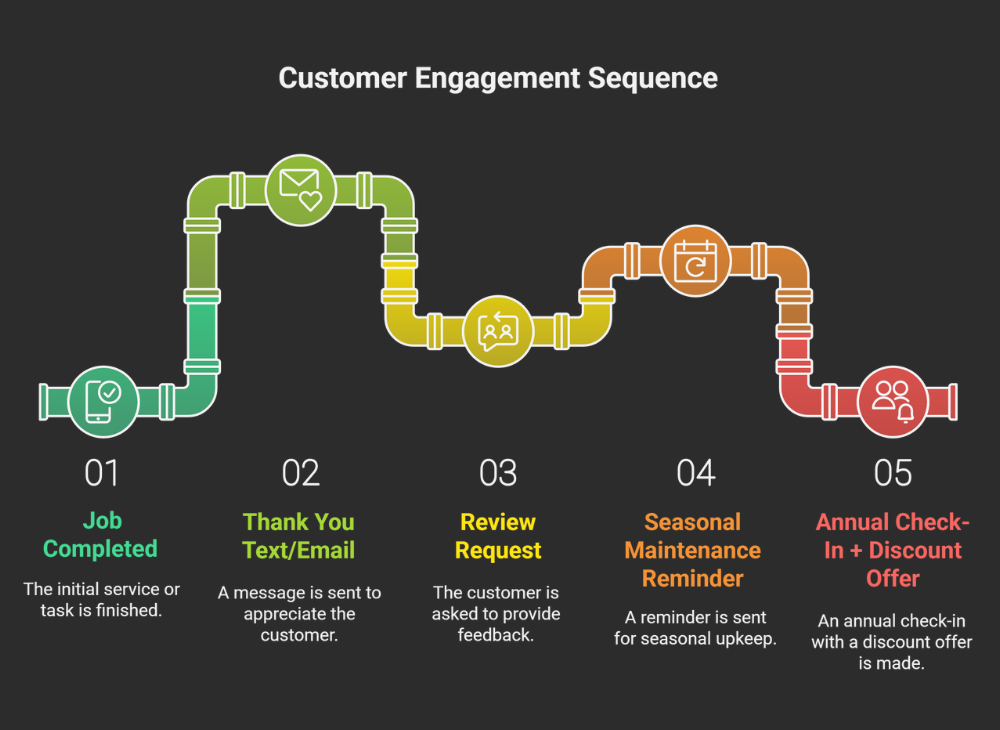
Workflow Diagram
Here’s what a complete automation sequence looks like:
Tools for Automation
- Email marketing: Mailchimp, Constant Contact, ActiveCampaign
- SMS automation: SimpleTexting, EZ Texting, Podium
- All-in-one platforms: Many field service management platforms (like FieldServ Ai with LeadProspecting Ai integration) include built-in email/SMS automation specifically designed for contractors
Pro tip: Start simple. Even just automating thank-you messages and review requests will generate ROI immediately. Add seasonal reminders once the first two are running smoothly.
Bottom line: Email and text automation keeps you in front of past customers, generates repeat business, captures reviews, and increases customer lifetime value—all on autopilot.
Measure What Matters: Tracking ROI on Digital Marketing for Plumbers
You can’t improve what you don’t measure. Too many plumbers spend money on marketing without knowing what’s actually working. Tracking ROI (return on investment) lets you double down on tactics that generate revenue and cut tactics that waste money.
Key Metrics to Track
1. Call Volume How many calls are you getting per month? Track total calls and calls by source (Google Ads, organic search, Facebook, etc.).
Tool: Call tracking software (CallRail, CallTrackingMetrics) gives you unique phone numbers for each marketing channel so you know exactly where calls come from.
2. Cost Per Lead (CPL) Total marketing spend ÷ Number of leads = Cost per lead
Example: You spend $600/month on Google Ads and generate 60 calls. CPL = $10/lead.
3. Conversion Rate (Lead → Booked Job) How many leads turn into actual jobs?
Formula: Booked jobs ÷ Total leads × 100 = Conversion rate
Example: 60 calls → 24 booked jobs = 40% conversion rate
Benchmark: 30-50% conversion is typical for plumbers (varies by market and service type).
4. Average Ticket Value Total revenue ÷ Number of jobs = Average ticket
Example: $12,000 revenue from 40 jobs = $300 average ticket
5. Customer Lifetime Value (CLV) How much revenue does the average customer generate over their lifetime (including repeat business and referrals)?
Simple calculation:
- Average customer spends $400 on first job
- Returns for 1-2 more jobs over 5 years ($600 total)
- Refers one new customer ($400)
- CLV = $1,000
6. ROI (Return on Investment) The big one: Are you making money or losing it?
Formula: (Revenue from marketing – Marketing cost) ÷ Marketing cost × 100 = ROI %
Example:
- Spent $1,000 on marketing
- Generated 30 jobs at $350 average = $10,500 revenue
- Gross profit margin: 50% = $5,250 gross profit
- ROI: ($5,250 – $1,000) ÷ $1,000 × 100 = 425% ROI
Target: 300-500% ROI is healthy for digital marketing in the plumbing industry.
Build a Simple Reporting Dashboard
You don’t need fancy software. A Google Sheet with these columns works perfectly:
| Month | Marketing Spend | Calls | Booked Jobs | Revenue | Gross Profit | ROI % |
|---|---|---|---|---|---|---|
| Jan | $800 | 45 | 20 | $7,000 | $3,500 | 338% |
| Feb | $900 | 52 | 24 | $8,400 | $4,200 | 367% |
| Mar | $1,000 | 60 | 28 | $9,800 | $4,900 | 390% |
Update this monthly. Review it quarterly. Make decisions based on data, not gut feel.
Track by Channel
Break down performance by marketing channel so you know what’s working:
| Channel | Spend | Calls | Jobs | Revenue | ROI % |
|---|---|---|---|---|---|
| Google Ads | $600 | 35 | 15 | $5,250 | 338% |
| Organic Search | $0 | 20 | 10 | $3,500 | ∞ |
| Facebook Ads | $200 | 8 | 3 | $1,050 | 163% |
| Direct/Referral | $0 | 12 | 8 | $2,800 | ∞ |
What this tells you:
- Google Ads is your highest-volume, profitable channel (scale it up)
- Organic search is free traffic with high conversion (keep investing in SEO)
- Facebook Ads has lower ROI (test different targeting or pause it)
- Referrals are strong (implement a referral program to generate more)
Tools to Track ROI
Free/Low-Cost:
- Google Analytics (website traffic and conversions)
- Google Business Profile Insights (search impressions, calls, direction requests)
- Spreadsheet dashboard (manual but effective)
Paid (Worth It):
- Call tracking software: CallRail ($45+/month), CallTrackingMetrics ($35+/month)
- CRM with reporting: HubSpot, Salesforce, or field service platforms with built-in analytics
Bottom line: Track call volume, cost per lead, conversion rate, and ROI by channel. Review monthly. Scale what works, cut what doesn’t. Data-driven decisions beat guesswork every time.
How to Get Started Without Feeling Overwhelmed
Digital marketing can feel like a lot—websites, SEO, ads, reviews, social media, automation. Where do you even start?
Here’s the truth: You don’t have to do everything at once. Start with the highest-impact tactics and build from there.
Your 8-Week Digital Marketing Roadmap
Week 1-2: Foundation
☐ Claim and fully optimize your Google Business Profile
☐ Audit your website (is it mobile-friendly? Does it load fast? Are CTAs clear?)
☐ Set up call tracking (so you know where leads come from)
☐ Create a list of your top 5 service pages needed
Week 3-4: Reviews & Local SEO
☐ Set up automated review request system (text or email after job completion)
☐ Respond to all existing reviews
☐ Create 2-3 location-specific service pages (e.g., “Plumber Twin Falls,” “Emergency Plumber Jerome”)
☐ Get listed on local directories (Chamber, BBB, Yelp)
Week 5-6: Content & Social
☐ Publish your first local blog post (e.g., “Winter Plumbing Tips for Twin Falls Homeowners”)
☐ Set up Facebook and Instagram business pages
☐ Post 3 times on each platform (before/after photos, quick tips, team intro)
☐ Join 2-3 local Facebook groups
Week 7-8: Paid Ads & Automation
☐ Launch a small Google Ads campaign ($15-20/day budget) targeting 3-5 high-intent keywords
☐ Set up one automated email sequence (thank you + review request)
☐ Track results in a simple spreadsheet dashboard
After 8 weeks, you’ll have:
- Optimized Google Business Profile generating organic leads
- 10-20 new reviews building trust and rankings
- A mobile-friendly website with clear CTAs
- Active social media presence
- A small but profitable Google Ads campaign
- Automated follow-up system for reviews and repeat business
Don’t Do It Alone
If you’re a one-person or small team operation, managing all of this while running service calls can be overwhelming. This is where integrated platforms designed for contractors make a difference.
Platforms like FieldServ Ai combine field service management with marketing tools—CRM, scheduling, invoicing, AND website/email/SMS marketing—in one place. Instead of juggling 6-8 separate apps, you manage jobs and marketing from a single dashboard.
Even newer businesses like Scout Construction (launched in 2024) show that with the right systems, you can quickly establish a professional online presence and compete with established players.
The bottom line: Start small, focus on high-impact tactics first, and use tools that consolidate your workflow instead of complicating it.
Frequently Asked Questions About Digital Marketing for Plumbers
1. How much should a plumbing company spend on digital marketing?
It depends on your goals and competition. Most local plumbing companies in Idaho and Magic Valley see good results spending 5–10% of their monthly revenue on marketing. For example, if you bring in $10,000 per month, investing $500–$1,000 can generate predictable, measurable growth—especially when it’s focused on high-ROI channels like Google Ads and SEO.
2. Can digital marketing really work for small, family-owned plumbing businesses?
Absolutely. In fact, smaller plumbing businesses often benefit the most because local SEO, reviews, and personalized content help you outrank big competitors who rely on brand name alone. You don’t need a massive budget—just consistency and strategy.
3. How long does it take to see results from SEO?
SEO is a long game. You can typically expect to see noticeable improvement in 3–6 months, depending on how competitive your area is. The key is consistency: publishing local content, optimizing your Google Business Profile, and collecting reviews. The payoff is that SEO leads cost less and convert better over time.
4. What’s better for plumbers—SEO or Google Ads?
Both serve different purposes:
Google Ads get you instant leads and are great for emergency services or seasonal pushes.
SEO builds long-term visibility and trust, reducing ad costs over time.
The best plumbing businesses use both—Ads for immediate results, SEO for sustainable growth.
5. Do I need to hire a marketing agency, or can I do it myself?
You can handle the basics yourself—like updating your Google Business Profile, posting on Facebook, and asking for reviews. But for advanced SEO, ad management, and automation, partnering with a marketing expert (or using an all-in-one platform like LeadProspecting Ai) will save you time and deliver faster, measurable results.
6. How do I know if my digital marketing is working?
Track these four numbers every month:
Total calls and form fills
Cost per lead (CPL)
Conversion rate (calls → booked jobs)
ROI (revenue vs. ad spend)
If you’re getting more calls and closing more jobs at a lower cost, your digital marketing is working.
7. What’s the most important thing to do first?
Start with your Google Business Profile—it’s free, powerful, and drives most local search leads. Make sure it’s complete, verified, and updated weekly with posts and photos. Then, build a fast, mobile-friendly website with clear CTAs and local service pages.
8. How often should I post on social media?
3–5 times a week is ideal for Facebook and Instagram. Focus on before/after photos, quick tips, and customer reviews. You don’t need viral videos—just consistent, authentic content that reminds your community you’re the local plumbing expert they can trust.
9. What’s the biggest mistake plumbers make in marketing?
Relying only on word-of-mouth. It’s great—but it’s unpredictable. When the phone stops ringing, it’s because no one’s finding you online. Building digital visibility gives you control over your lead flow, even when referrals slow down.
10. How can automation help my plumbing business grow?
Automation saves time and captures lost revenue. Tools that automatically request reviews, send seasonal reminders, and re-engage past customers ensure you stay top-of-mind without lifting a finger. Think of it as digital word-of-mouth on autopilot.
Written by
FieldServ AI Team
Field service management insights from the FieldServAI team.
Related Articles

Seasonal vs. Year-Round Pricing: Which Drives More Profit for Magic Valley Contractors
Seasonal pricing can boost profit 4-15% above flat rates. Learn which strategy—seasonal, year-round, or hybrid—actually generates more profit for Magic Valley HVAC, plumbing, and electrical contractors.
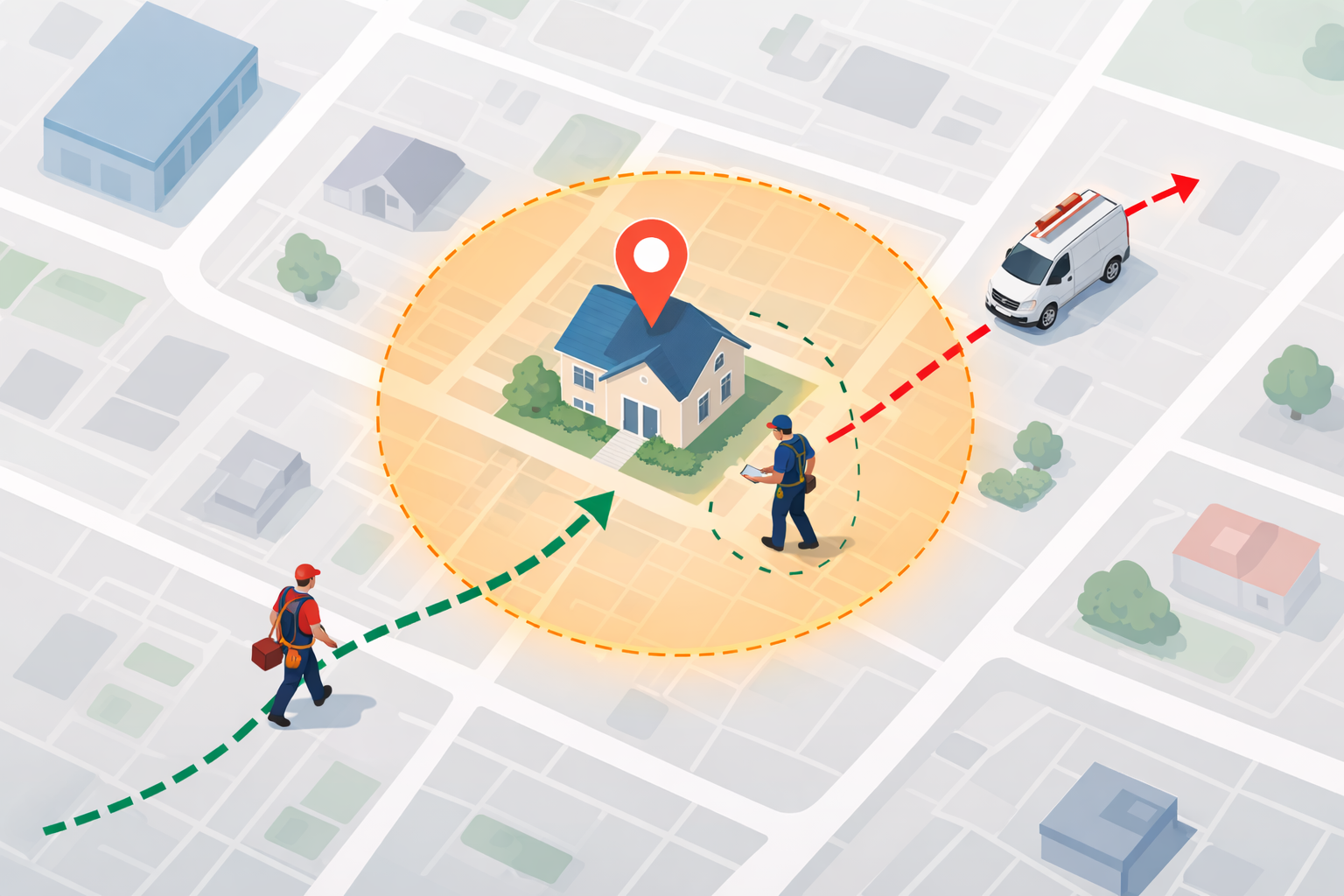
Geofencing for Contractors: Real-Time Crew Accountability Without the Hassle
Geofencing automates crew time tracking with GPS verification, eliminating manual timesheets and buddy punching. Learn how Magic Valley contractors use geofencing to track accountability in real-time and cut payroll processing time in half.

Why Twin Falls Customers Demand Online Booking (And How to Deliver It)
Twin Falls customers demand 24/7 online booking for convenience. Discover how your contracting business can meet this expectation, streamline operations, and capture more jobs with an integrated field service management platform like FieldServ AI.
See How Others Are Winning with FieldServ
Real results from real field service companies using FieldServ AI.
Read Case Studies