
How Field Service Software Helps Contractors Compete and Win in 2026
The field service industry has shifted dramatically over the past few years. Contractors who once competed on reputation and word-of-mouth referrals now find themselves losing jobs to companies that respond faster, communicate better, and deliver smoother customer experiences. The difference often c
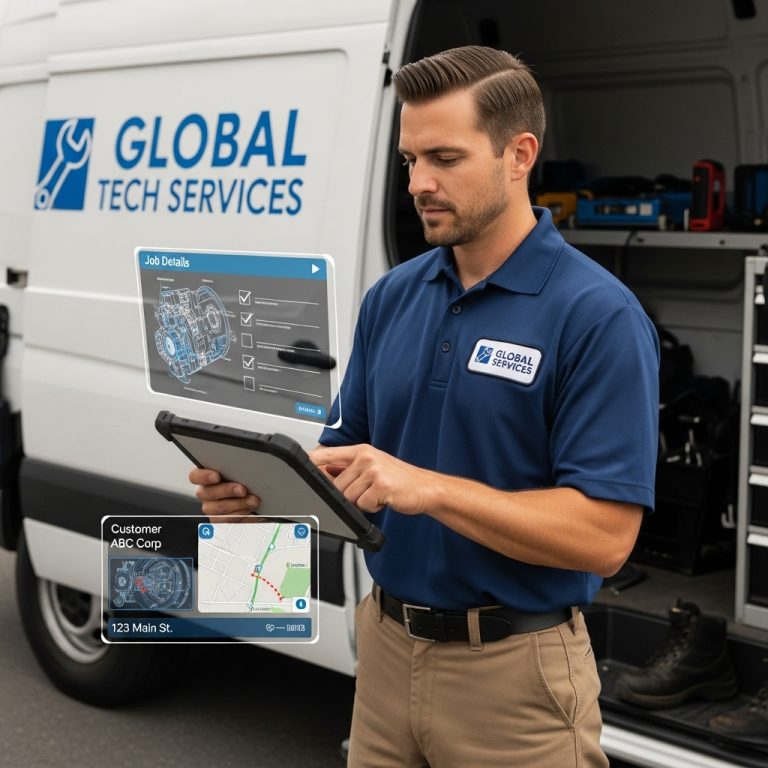
The field service industry has shifted dramatically over the past few years. Contractors who once competed on reputation and word-of-mouth referrals now find themselves losing jobs to companies that respond faster, communicate better, and deliver smoother customer experiences.
The difference often comes down to one thing: field service management software.
The FSM software market reached $5.4 billion in 2024 and continues growing at nearly 14% annually. This growth reflects a simple reality. Contractors using modern software complete more jobs per day, collect payments faster, and retain customers at higher rates than those relying on manual processes.
Yet many contractors still operate with spreadsheets, paper work orders, and disconnected systems. They spend hours on administrative tasks that automated software handles in seconds. They lose jobs because they cannot respond quickly enough. They chase payments for weeks while competitors collect on the spot.
This gap creates both a challenge and an opportunity. Contractors who adopt FSM software gain advantages that compound over time. Those who delay fall further behind with each passing month.
This guide breaks down what modern field service management actually looks like, how smart scheduling transforms daily operations, why customer experience now defines success, and what financial tools separate growing contractors from struggling ones. Whether you run an HVAC company, plumbing business, electrical contracting firm, or landscaping operation, these capabilities apply directly to your situation.
What Does Modern Field Service Management Actually Look Like?
Field service software has evolved far beyond basic digital calendars. Today’s platforms serve as complete operational hubs that connect every part of a contractor’s business.
How Has FSM Software Evolved Beyond Basic Scheduling?
Modern field service management software integrates scheduling, dispatching, customer management, invoicing, and communication into a single platform. This integration eliminates the disconnected tools that create inefficiency and errors.
Early FSM systems simply digitized paper processes. You could view a calendar on screen instead of a whiteboard. Current platforms use artificial intelligence to optimize every decision. They analyze technician locations, skill sets, traffic patterns, and job requirements to make smarter assignments automatically.
The shift from reactive to proactive operations represents the biggest change. Instead of waiting for problems, modern software predicts them. It alerts you when a technician runs behind schedule. It identifies customers due for maintenance before equipment fails. It flags cash flow issues before they become crises.
Cloud-based deployment now dominates the market, with over 65% of contractors using cloud FSM systems. This approach provides access from anywhere, automatic updates, and lower upfront costs than traditional installed software.
What Capabilities Do Contractors Need to Stay Competitive Today?
Competitive contractors need mobile access, real-time communication, automated workflows, and seamless integrations with accounting software. These capabilities form the foundation of efficient operations.
Mobile functionality has become non-negotiable. Technicians need complete job information, customer history, and communication tools on their phones or tablets. The best platforms work offline, syncing automatically when connection returns. This matters when technicians work in basements, rural areas, or buildings with poor reception.
Integration quality matters more than integration quantity. A rock-solid connection with QuickBooks that syncs invoices and payments reliably beats dozens of flaky integrations that require constant troubleshooting. Payment processing through Stripe or Square, GPS tracking, and SMS communication through platforms like Twilio round out essential integrations.
FieldServ AI, built by LeadProspecting AI, combines these core capabilities with AI-powered lead prospecting that no major competitor offers. This addresses the number one challenge contractors face: finding new customers consistently.
How Does Smart Scheduling Transform Daily Operations?
Scheduling and dispatching consume enormous time when handled manually. Smart software turns this bottleneck into a competitive advantage.
What Makes AI-Powered Dispatching Different From Manual Scheduling?
AI-powered dispatching analyzes multiple variables simultaneously to optimize technician assignments, reducing drive time by 15% or more while increasing jobs completed per day. Manual scheduling cannot match this speed or accuracy.
When a new job comes in, intelligent scheduling software evaluates which technician sits closest to the location, who has the right skills for the work, what their current workload looks like, and how traffic will affect arrival time. It makes this assessment in seconds and suggests the optimal assignment.
Manual dispatching requires someone to check multiple screens, make phone calls, and hope their mental map of technician locations stays accurate. By the time they finish, conditions have already changed. A technician finished early. Traffic shifted. A customer canceled.
Research shows contractors using AI-driven FSM solutions achieved 15% faster service delivery and 20% higher first-time fix rates in 2024. These improvements come from matching the right technician to each job with the right parts and information.
How Do Mobile Apps Keep Field Teams Connected and Productive?
Mobile field service apps give technicians everything they need to complete jobs efficiently, from customer history to parts inventory to payment collection. This eliminates return trips, phone calls, and paperwork.
Before mobile apps, technicians drove to the office each morning to pick up paper work orders. They called dispatch for customer details. They wrote notes that someone later typed into a computer. Every step created delays and opportunities for errors.
Modern mobile apps push job details directly to technicians. They show complete customer history, equipment records, and previous service notes. Technicians capture photos, collect signatures, and process payments on site. Updates sync to the office instantly.
The impact on productivity compounds throughout the day. Eliminating one five-minute phone call per job saves over an hour daily for a technician handling 12 service calls. That recovered time translates directly to additional revenue.
Why Does Customer Experience Define Field Service Success?
Customer expectations have risen dramatically. Contractors who deliver exceptional experiences win repeat business and referrals. Those who frustrate customers lose them to competitors.
What Do Customers Actually Expect From Service Contractors Today?
Customers expect immediate response, clear communication, convenient scheduling, and multiple payment options. Meeting these expectations requires technology that manual processes cannot provide.
The standard has shifted because of experiences outside home services. Customers track pizza delivery in real time. They receive text updates when packages ship. They expect the same transparency from contractors.
Research indicates 88% of customers now expect self-service capabilities. They want to book appointments online without phone calls. They want to see when technicians will arrive. They want digital invoices they can pay immediately.
Contactless options became essential after 2020 and remain preferred by many customers. Electronic signatures, digital estimates, and online payments eliminate friction while keeping everyone comfortable. The contractor who offers these conveniences beats the one who requires in-person paperwork.
How Does Automated Communication Build Trust and Loyalty?
Automated SMS and email communication keeps customers informed at every stage, reducing anxiety and building confidence in your service. This communication happens without adding work for your team.
Consider the customer experience without automation. They schedule an appointment and wonder if anyone recorded it correctly. The service day arrives and they have no idea when to expect the technician. They wait by the phone, anxious and frustrated.
Now consider the automated experience. They receive an immediate confirmation after booking. The morning of service, they get a reminder with the technician’s name and photo. When the technician heads their way, an automatic message shares the estimated arrival time. After service, they receive a thank-you message with an invoice link.
This communication costs nothing once configured. It runs automatically while your team focuses on actual service work. FieldServ AI handles these automated workflows from booking through review request, creating seamless customer experiences without manual effort.
What Financial Tools Separate Growing Contractors From Struggling Ones?
Cash flow determines whether contractors thrive or merely survive. The right financial tools accelerate money into your business while reducing collection headaches.
How Do Fast Estimates and Digital Payments Accelerate Cash Flow?
Converting estimates to jobs with one click and collecting payment on site eliminates the delays that strangle cash flow. Contractors using these tools get paid in days instead of weeks.
Traditional estimate processes involve creating a quote, printing it, presenting it to the customer, waiting for approval, manually converting it to a work order, then eventually invoicing. Each step adds days. Many contractors wait 30 to 60 days for payment on completed work.
Modern FSM software compresses this timeline dramatically. Create estimates with pre-populated service items. Email them instantly for electronic signature. Convert approved estimates to scheduled jobs with one click. Collect payment when the technician finishes the work.
Accepting credit cards, debit cards, and ACH payments through integrated processors like Stripe or Square removes payment friction. Customers pay how they prefer. You receive funds within days instead of chasing checks for weeks.
What Integrations Matter Most for Contractor Profitability?
QuickBooks integration, payment processing, and automated invoicing form the financial backbone that keeps contractor operations profitable. Without these connections, manual data entry consumes hours and creates errors.
The QuickBooks integration deserves particular attention because most small contractors rely on it. When FSM software syncs job deposits, invoices, and payments automatically, your books stay accurate without double entry. When the sync fails or delays, reconciliation becomes a nightmare.
Beyond accounting, GPS fleet tracking pays for itself through reduced fuel costs and better route planning. Review management integration helps collect testimonials that drive future business. Customer financing options through services like Wisetack help close larger jobs that customers might otherwise delay.
The pattern across all integrations remains consistent. Automation that eliminates manual steps saves time, reduces errors, and accelerates cash flow. Every hour your team spends on administrative tasks is an hour they cannot spend serving customers or selling work.
The Bottom Line
Field service management software has moved from nice-to-have to necessity for contractors who want to compete effectively. The contractors growing fastest in 2026 have adopted platforms that streamline scheduling, enhance customer communication, and accelerate payments.
The capabilities described here represent table stakes for modern field service operations. FieldServ AI delivers all of them while adding AI-powered lead prospecting that addresses the challenge no other major platform solves: finding your next customer. Explore how these tools apply to your specific operation and see what efficiency gains become possible when everything connects.
Frequently Asked Questions
What is field service management software and what does it do? Field service management software is a platform that helps contractors manage scheduling, dispatching, customer communication, invoicing, and payments from one system. It replaces disconnected tools and manual processes with automated workflows that save time and reduce errors. Most modern platforms include mobile apps for technicians and integrations with accounting software like QuickBooks.
How much does field service management software typically cost? FSM software pricing ranges from $25 to $500 per user monthly depending on features and business size. Basic platforms for small teams start around $50 to $100 per user. Enterprise solutions with advanced AI capabilities cost more but typically replace multiple separate tools. The total cost should be weighed against time savings and efficiency gains.
How long does it take to see ROI from FSM software? Most contractors see positive returns within three to six months of proper implementation. Quick wins come from reduced drive time, faster invoicing, and eliminated paperwork. Companies report 300% or higher ROI in their first year when they fully adopt scheduling optimization and automated payment collection.
What features should contractors prioritize when choosing FSM software? Prioritize reliable QuickBooks integration, mobile app functionality that works offline, automated customer communication, and integrated payment processing. These four capabilities deliver the fastest operational improvements. Additional features like GPS tracking and AI scheduling become valuable as your team grows.
Can FSM software help with lead generation and finding new customers? Most FSM platforms focus on managing existing customers rather than finding new ones. FieldServ AI differs by including AI-powered lead prospecting as a core feature. This addresses the top challenge contractors face: generating consistent leads without spending $100 or more per lead on advertising.
How does field service software improve customer satisfaction? Automated appointment reminders, real-time technician tracking, and instant communication keep customers informed throughout the service process. Technicians arrive prepared with complete job history, reducing repeat visits. Digital payments and electronic signatures add convenience. These improvements directly increase retention and referral rates.
Is FSM software difficult to learn and implement? Modern cloud-based platforms require minimal technical knowledge and typically take days rather than months to implement. The best providers offer training and support to ensure teams adopt the software effectively. Resistance usually fades once technicians see how mobile apps make their jobs easier rather than adding complexity.
What size contractor benefits most from FSM software? Contractors with two or more technicians see the clearest benefits because scheduling complexity increases exponentially with team size. Solo operators still benefit from automated invoicing and customer communication. Businesses in the five to fifty employee range often experience the most dramatic efficiency improvements.
Written by
FieldServ AI Team
Field service management insights from the FieldServAI team.
Related Articles

From Handwritten Estimates to Signed Contracts in 10 Minutes
Close contracts 3x faster. Walk the job, create a proposal on your phone, email it, and get a signature before you leave the property. A 10-minute workflow that wins more jobs and cuts your admin time in half.

Contractor Myths Debunked: Why Your Crew Doesn't Need 5 Apps in 2026
Stop juggling 5 different apps. Learn why consolidating to one integrated field service platform saves contractors 20+ hours weekly, generates 3x more reviews, and grows revenue by 23% in 90 days.

Spring Rush Ready: 5 Inventory Strategies for Contractors
Prepare for the spring rush with 5 essential inventory management strategies for field service contractors. Learn how real-time tracking, predictive analytics, and technology can boost efficiency and profits.
See How Others Are Winning with FieldServ
Real results from real field service companies using FieldServ AI.
Read Case Studies