
April Callbacks Done Wrong: Why Contractors Lose $3K+ Monthly
April callbacks cost contractors $3K+ monthly in lost revenue. Learn why callbacks fail, the hidden system issues behind them, and five proven tactics to recapture lost customers this season.
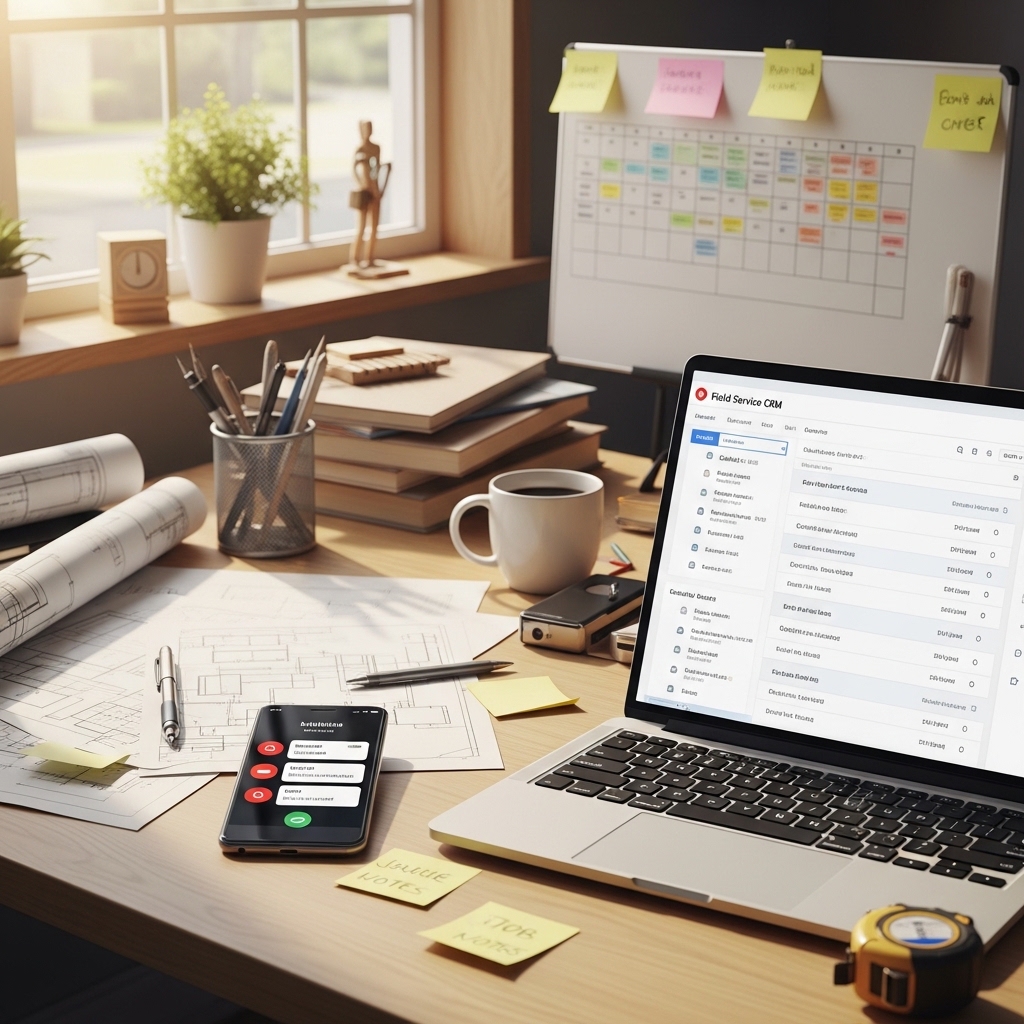
The April Callback Crisis: Why Your Phone Isn't Ringing Back
It's mid-April. Your crew is booked solid, but something's off. You're scrolling through your phone log and notice it: three missed calls from yesterday, two from the day before, and a handful of voicemails that came in after 5 p.m. when nobody was in the office. By the time you call back, the homeowner will have already texted a competitor asking if they're available.
This isn't just frustrating. It's costing you real money. Mid-size contractors lose between $100K-$300K+ annually from missed after-hours calls alone, according to research on contractor callback failures. When you factor in April's seasonal surge, poor callback systems can drain $3,000 or more from your monthly revenue.
The problem isn't laziness or lack of trying. It's that most contractors are still using yesterday's systems to handle today's customer expectations.
Why April Callbacks Fail (And What It Really Costs)
April is peak season for HVAC tune-ups, spring plumbing emergencies, landscaping projects, and roofing inspections. Call volume spikes 40-60% compared to winter months. Your team is stretched thin, your admin is drowning, and callbacks become an afterthought.
Here's what happens next:
- Missed calls go unanswered: A homeowner calls at 4:47 p.m. Nobody picks up. They leave a voicemail that sits in your inbox until tomorrow. By then, they've already booked someone else.
- Manual follow-ups create bottlenecks: Your office staff writes down notes, texts reminders to crews, and spends 30-45 minutes daily just organizing callbacks. That's 2.5-3.5 hours per week doing admin work instead of revenue-generating tasks.
- Callbacks happen at the wrong time: You call back a plumbing lead at 9 a.m. on a Wednesday, but they wanted an appointment that evening. No answer. Try on Friday again. They've already hired someone.
- No context means re-explaining everything: When a customer calls back three days later, neither your crew nor your office remembers the initial conversation. You waste time on "wait, what was the original issue?" conversations.
The math is brutal. If you're losing just 4-5 callback opportunities per week during April, and your average job is worth $800-$1,200, you're looking at $3,200-$4,800 in lost revenue monthly. And that's conservative.
The Hidden Reasons April Callbacks Fail
Most contractors think callback problems are about discipline or memory. They're not. They're about systems.
Reason 1: You Don't Know About the Calls Yet. A homeowner calls at 6:15 p.m. Your office closes at 5 p.m. The call goes to voicemail. You don't see the missed call log until tomorrow morning. By then, your response window has closed. Studies show that 73% of homeowners expect a response within 5 minutes; after that, your callback conversion rate plummets by two-thirds.
Reason 2: Callbacks Aren't Prioritized Based on Value. You have 12 callbacks to make. One is a $4,500 roof estimate. Another is a $150 handyman call. Without intelligent triage, both get the same attention. Valuable leads slip through the cracks because they're treated like everything else.
Reason 3: Your Team Doesn't Have Full Context. A customer originally called about a water heater replacement. When they call back, nobody remembers if they mentioned a budget, timeline, or prior service history. Your crew spends 10 minutes gathering information that should have been captured the first time automatically.
Reason 4: April's Seasonal Surge Breaks Your Manual Process. Your system works fine in January with 20 daily calls. It collapses in April with 60. Paper notes get lost. Spreadsheets get outdated. Callbacks get forgotten.
How Smart Contractors Win April Callbacks
The contractors who dominate April don't work harder. They work smarter. Here's how they capture callbacks that competitors miss:
- Instant Missed Call Automation: A homeowner calls at 6:30 p.m. and gets a voicemail with an instant text message saying, "Thanks for calling! Reply YES for a callback tomorrow morning." Many respond immediately, securing their spot on your schedule before they forget about you.
- Mobile CRM with Full History: When your crew gets a callback, they see everything: original service request, prior jobs, notes from first contact, budget discussed, and current status. No re-explaining. No guessing. Just context-rich conversations that convert faster.
- Priority-Based Callback Queues: Your system knows which leads are high-value and which are routine. Admin staff prioritizes accordingly. A $5,000 roofing estimate gets called back within 2 hours; a $200 maintenance call gets called back by the end of business. Both are handled, but resources go to profit.
- After-Hours Capture with Workflow Automation: Calls come in at night. A pre-built workflow automatically logs them, sends response texts, and flags high-priority callbacks for your morning standup. You start each day with zero surprises.
- Two-Way SMS Integration: Customers can reply to text callbacks via SMS. No phone tag. No "call me back" loops. Conversations happen in real time across platforms, and everything is logged in your system.
The result? Contractors using intelligent callback systems report 3-5x higher callback conversion rates compared to those managing callbacks manually. During April specifically, that translates to $3,000-$7,000 in recovered monthly revenue.
The Real Problem: Connecting Callbacks to Your Entire System
Here's what separates contractors who solve April callbacks from those who remain stuck: they realize callbacks aren't isolated. They're connected to everything.
A missed callback is really a broken connection between your job tracking system, your customer history, and your dispatch workflow. If any of those are manual or fragmented, callbacks fail.
Think about it: if your mobile CRM doesn't sync with your dispatch board, how does your crew know they have a callback scheduled? If your follow-up automation isn't connected to your payment system, how do you know which customers are ready to re-book after a service? If your communication tools aren't integrated, you're juggling email, text, phone calls, and voicemail separately.
Contractors who win April use platforms that connect everything. When a call comes in, the system automatically captures it, routes it intelligently, provides context to the receiver, and logs the entire interaction. When the customer books, it flows directly to dispatch. When the job is completed, it triggers automated follow-ups, review requests, and upsell opportunities.
That's not just better callback management. That's a complete revenue multiplication system. Explore how integrated field service solutions can streamline your entire operation, or check out workflow automation tools designed specifically for contractor callback challenges.
Three Fixes You Can Implement This Week
Fix 1: Set Up Instant Missed Call SMS. If a customer calls and nobody answers, they should get a text within 90 seconds saying "Thanks for calling [Company]. Text YES for a callback within 2 hours, or call us back at [number]." This single tactic recovers 20-30% of otherwise lost calls.
Fix 2: Create a Callback Priority List. List every type of call you receive (roof estimates, emergency plumbing, routine maintenance, questions, etc.). Assign a dollar value to each. This week, commit to calling back high-value leads within 2 hours and routine calls by end of business. Stop treating every callback the same.
Fix 3: Document Call Details in a Shared System. Stop writing notes on scraps of paper. Every call detail goes into one place: customer name, issue, timeline, budget, and best time to reach them. When you call back, your team has everything they need. Even a simple shared spreadsheet beats scattered notes.
These fixes won't solve the entire problem. They'll plug some holes. But real callback mastery requires a system that captures calls automatically, prioritizes them, provides context, and integrates with your dispatch and payment systems.
Frequently Asked Questions
Q: How much money am I actually losing on missed callbacks?
Calculate this way: Count your total calls received per week. Estimate what percentage you miss or return after too long (most contractors guess 15-25%). Multiply that by your average job value. April's seasonal surge typically increases losses by 40-60%. For example, if you receive 100 calls weekly and miss 20%, with an average job value of $1,000, you're losing $4,000 monthly. In April, with a surge, that could jump to $6,000-$7,000.
Q: Can I use my current phone system to send automatic texts to missed calls?
Most basic phone systems don't integrate with SMS automation. You'd need to manually send texts or use a separate tool. The real solution is a field service platform that connects your phone system, mobile CRM, and communication tools in one place. This eliminates manual steps and ensures no calls fall through the cracks.
Q: What's the fastest way to see results?
Start with instant missed call SMS responses this week. You'll see conversion improvements immediately. Then layer in callback prioritization. These two tactics alone typically recover $800-$1,500 monthly for small contractors. For comprehensive callback mastery that also prevents broader issues like poor communication, accounting for 26% of rework in construction, you'll want a fully integrated system.
Q: How do I convince my team to use a new callback system?
Show them the time savings first. A system that automates missed call texts and provides full customer context saves your admin 2-3 hours weekly. That's real relief. Then show them conversion data: more callbacks answered faster means more booked jobs and less phone tag frustration for everyone.
Q: Should I hire another person to handle callbacks, or implement a system?
Hire a system. Hiring another admin costs $30K-$40K annually and only solves the labor problem, not the process problem. A system costs a fraction of that and actually improves callback conversion rates by automating triage, prioritization, and follow-up. You'll recover more revenue with fewer people.
Stop Leaving Money on the Table
April is here. Your phone is ringing. Callbacks are slipping away. Every missed call in the next 30 days costs you $500-$2,000 in lost revenue.
You don't need to work harder. You need a system that works smarter. Whether you implement DIY fixes this week or invest in a comprehensive platform, the time to act is now. The contractors winning in April aren't the ones picking up more calls; they're the ones who never miss them in the first place.
Ready to transform your callback game? Contact FieldServ AI today to see how intelligent callback automation and integrated field service management can recover thousands in lost April revenue and scale your business year-round.
Tags
Written by
FieldServ AI Team
Field service management insights from the FieldServAI team.
Related Articles

Why Contractors Miss $15K+ in April: Customer Follow-Up Failures
Contractors lose $15K+ every April due to customer follow-up failures. Discover why leads slip through the cracks and how automation recovers lost revenue.

7 Days to April 15: The Contractor Tax Checklist That Saves You From a 47.5% Penalty
Tax day is one week away. This 7-step contractor checklist covers 1099 rule changes, the 15.3% self-employment tax math, vehicle deductions, and how to avoid the IRS's 47.5% combined penalty.

The Weekend You'll Never Get Back Chasing One-Off Jobs
Recurring revenue keeps you out of the office; chase work keeps you glued to your desk. Learn why contractors who shift to maintenance plans and service agreements escape the office by June—and how to start building recurring revenue this week.
See FieldServ AI in Action
Get a personalized demo and see how AI-powered field service management can transform your business.
Book Your Demo