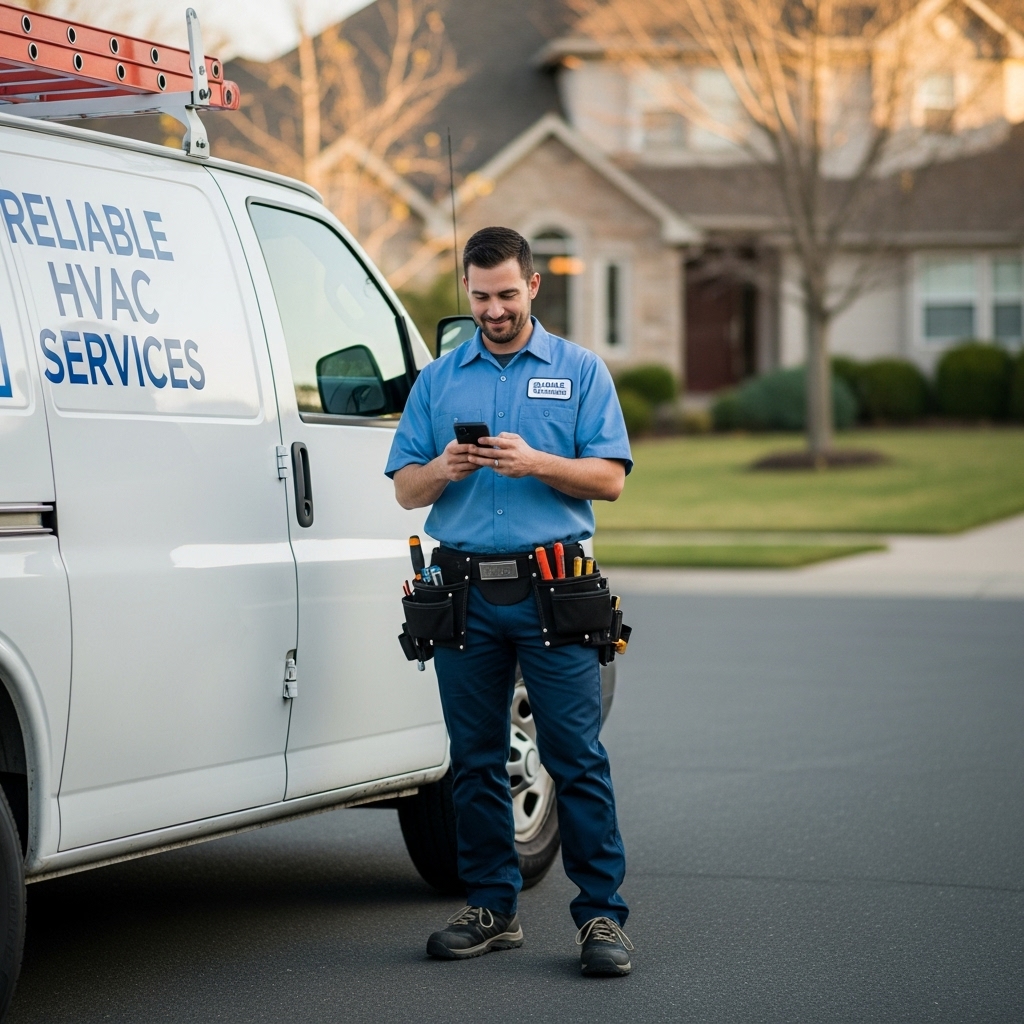

Your phone is ringing right now, and you can’t answer it. You’re on a ladder in Twin Falls, under a house in Jerome, or driving between jobs in Kimberly. By the time you see the missed call notification, that customer has already moved on to the next contractor on their list.
This scenario plays out constantly across Magic Valley. Research shows that service businesses miss up to 40% of incoming calls. Even worse, when you call back, there’s a 50% chance the customer has already hired your competitor. Every unanswered call represents revenue walking out the door.
The traditional solutions don’t work well. Voicemail feels impersonal, and 80% of callers hang up rather than leave a message. Hiring a full-time receptionist costs $40,000 or more annually and still doesn’t cover nights, weekends, or lunch breaks. Traditional answering services help but often lack the industry knowledge to qualify leads or book jobs effectively.
AI call answering changes this equation entirely. Modern AI systems answer every call instantly, understand what callers need, qualify leads based on your criteria, and book appointments directly into your schedule. They work 24/7 without breaks, sick days, or overtime. And they cost a fraction of what you’d pay for human alternatives.
This guide explains what AI call answering actually does for Magic Valley field service businesses, how it compares to other options, and what kind of revenue recovery you can realistically expect. Whether you run an HVAC company in Buhl, plumbing service in Gooding, electrical business in Filer, or any trade that depends on phone calls for new work, understanding this technology could be the difference between growth and stagnation.
Why Can’t Contractors Afford to Miss Calls Anymore?
Customer expectations have fundamentally changed. People want immediate responses, and they have endless options if you can’t provide them. The contractor who answers first usually wins the job, and that’s especially true in a competitive market like Magic Valley.
How Many Leads Are You Losing After Hours and On Weekends?
Most contractor calls come outside traditional business hours. Homeowners in Twin Falls discover problems when they get home from work, notice issues on weekends, or face emergencies at night. If your phone goes to voicemail during these times, you’re missing a significant portion of your potential business.
The math is sobering. If you receive 100 calls per month and miss 40% of them, that’s 40 potential customers who never got through. If your average job value is $500, those missed calls represent $20,000 in potential revenue. Even if only half would have converted, you’re still looking at $10,000 walking away every month.
After-hours calls often represent the most valuable opportunities. Emergency calls for burst pipes, broken AC units, or electrical failures come with urgency and willingness to pay premium rates. These customers aren’t price shopping. They need help now. If you can’t answer, they’ll find someone who can.
Why Do Customers Call Your Competitor When You Don’t Answer?
Speed wins in field service. When a customer in Jerome or Kimberly needs help, they’re not going to wait around hoping you’ll call back. They’re going to call the next company on the list, and then the next, until someone answers. The first contractor to respond usually gets the job.
Studies confirm this behavior. When customers can’t reach a business immediately, 50% will call a competitor. Only 20% leave voicemails anymore. The rest simply move on, and you never know they called. Your phone could be ringing with perfect customers, and you’d never see them because you were too busy working.
The competitive landscape in Magic Valley makes this worse. Your competitors are solving this problem. If they answer calls 24/7 and you don’t, they’re capturing customers who would have been yours. Every month you operate with missed calls is a month your competition gains ground.
What Does AI Call Answering Do for Field Service Businesses?
AI call answering goes far beyond basic voicemail replacement. Modern systems understand natural conversation, ask relevant questions, and take meaningful action based on caller needs. They function like a knowledgeable dispatcher who never clocks out.
How Does AI Answer Calls Like a Trained Dispatcher?
Today’s AI systems sound remarkably human and understand context. When a customer in Twin Falls calls about a broken water heater, the AI recognizes the service type, asks appropriate follow-up questions about the problem, and gathers the information your team needs to respond effectively. It’s not reading from a rigid script. It’s having a real conversation.
The AI can handle common questions without human involvement. What areas do you serve? Do you work in Filer? What are your rates? Do you offer emergency service? Can you come today? These routine inquiries get answered instantly, freeing your team to focus on complex situations that genuinely need human attention.
Industry-specific training makes the difference. AI systems built for contractors understand HVAC terminology, plumbing problems, electrical issues, and the urgency levels associated with different situations. A gas leak gets treated differently than a slow drain. This intelligence ensures callers receive appropriate responses and get routed correctly.
What Happens After the AI Takes a Call?
The real value comes from what AI does with the information it gathers. After qualifying a lead, the system can book appointments directly into your calendar, send confirmation texts to customers, create job records in your field service software, and notify your team about new opportunities.
This automation eliminates the handoff problems that plague traditional answering services. There’s no delay waiting for someone to transcribe notes and email them to you. There’s no miscommunication between the person who took the call and the person who needs to act on it. Information flows directly from the customer conversation into your systems.
Instant notifications keep you in control. When the AI books a job in Gooding or identifies an urgent situation in Buhl, you get notified immediately. You can review call transcripts, listen to recordings, and intervene when needed. The AI handles routine work while you maintain oversight and handle exceptions.
How Does 24/7 AI Call Answering Increase Contractor Revenue?
The revenue impact comes from multiple sources. You capture calls you would have missed, convert more inquiries into jobs, and free up time for higher-value activities. The combined effect often exceeds 30% revenue growth.
How Much Can You Recover by Answering Every Call?
The immediate gain is pure lead capture. If you’re currently missing 40% of calls and AI answering cuts that to near zero, you’ve just increased your lead flow by 40%. Even with modest conversion rates, that translates to significant revenue for Magic Valley contractors.
Consider a real example. A mid-sized HVAC company implemented AI call answering after tracking a 42% call answer rate during business hours. Within three months, their lead capture increased 67%, resulting in additional projects worth over $180,000 in new revenue. The AI paid for itself many times over.
Speed-to-response improvements boost conversion rates. When every call gets answered on the first ring, customers in Twin Falls or Jerome don’t have time to call competitors. When appointments get booked immediately, customers don’t change their minds. The friction reduction throughout the customer journey means more inquiries become paying jobs.
What’s the ROI on AI Call Answering vs. Hiring Staff?
The economics favor AI significantly, especially for Magic Valley businesses. A full-time receptionist costs $35,000-50,000 annually in salary alone, plus benefits, training, management time, and coverage for sick days and vacations. Even then, you only have coverage during business hours unless you hire multiple people.
AI call answering typically costs $200-600 monthly depending on call volume and features. For that investment, you get true 24/7 coverage with no gaps. The AI never calls in sick, never takes lunch, never quits and leaves you scrambling to hire. Annual cost runs $2,400-7,200 compared to $35,000 or more for human staff.
Traditional answering services fall in between but have limitations. They cost more than AI while providing less capability. Human operators can take messages and follow scripts, but they can’t book appointments into your system, don’t understand your industry deeply, and still require handoffs that create delays.
How Do You Get Started with AI Call Answering?
Implementation is faster than most contractors expect. Modern AI systems can be configured and operational within days, not weeks or months. The key is choosing a solution built for field service and ensuring proper integration with your existing workflow.
What Features Should Magic Valley Contractors Look for in AI Call Answering?
Integration capability tops the list. AI call answering delivers maximum value when it connects to your scheduling system, customer database, and dispatch workflow. Standalone systems that just take messages force you back into manual processes that slow everything down.
Look for industry-specific intelligence. Generic AI assistants don’t understand the difference between a routine maintenance request and an emergency. They can’t qualify leads based on service area, job type, or budget. Field service-specific AI has been trained on contractor conversations and knows how to handle them appropriately.
Customization matters for your brand. The AI should answer as your company, using your business name, following your service policies, and representing your brand professionally. Callers in Twin Falls or anywhere across Magic Valley should feel they’re talking to your team, not a generic answering service.
How Does FieldServ AI Integrate Call Answering with Your Workflow?
FieldServ AI builds voice capabilities directly into the field service platform. This isn’t a bolt-on answering service that sends you messages to process manually. Calls flow into the same system that handles your scheduling, dispatch, customer management, and invoicing.
When the AI books an appointment, it appears on your schedule immediately. When it captures a new lead from Kimberly, that contact enters your customer database with full call notes. When it identifies an emergency in Filer, your on-call technician gets notified instantly. Everything connects without manual data entry or system switching.
The platform includes the communication tools that surround call answering. Automated text confirmations, follow-up sequences, and review requests all work together. A customer who calls and books a job automatically receives confirmation texts, appointment reminders, and post-service follow-up. The entire communication workflow runs without your intervention.
The Bottom Line
AI call answering transforms your phone from a liability into a revenue-generating asset. Every call gets answered instantly, leads get qualified automatically, and appointments get booked while you focus on the work that requires your expertise. Contractors using AI call answering typically recover 30% or more in previously lost revenue.
If you’re ready to stop losing customers to missed calls and start capturing every opportunity, try FieldServ Ai today. Download the app from the App Store or Google Play and see how it helps you manage your field service workflow on the go.
Frequently Asked Questions
What is AI call answering for Magic Valley contractors? AI call answering uses artificial intelligence to answer your business phone calls 24/7. The system greets callers, understands what they need, asks qualifying questions, and can book appointments automatically. It works like having a knowledgeable receptionist who never takes breaks and handles calls even when you’re on job sites across Twin Falls, Jerome, or anywhere in the valley.
How much revenue do Magic Valley contractors lose to missed calls? Research shows field service businesses miss up to 40% of incoming calls, and service businesses lose approximately 30% of potential revenue to missed calls. When you do call back, there’s a 50% chance the customer has already hired a competitor. Every missed call in Twin Falls or Jerome represents potential revenue going to your competition.
How is AI call answering different from voicemail? Voicemail asks callers to leave a message, but 80% hang up rather than doing so. AI call answering actually engages callers in conversation, qualifies their needs, and takes action like booking appointments. Customers get immediate service instead of hoping someone will call them back eventually.
How is AI call answering different from traditional answering services? Traditional answering services use human operators who take messages and follow basic scripts. AI systems can book appointments directly into your calendar, qualify leads based on your specific criteria, and integrate with your field service software. AI also costs significantly less while providing true 24/7 coverage.
How much does AI call answering cost compared to hiring a receptionist? AI call answering typically costs $200-600 monthly for 24/7 coverage. A full-time receptionist costs $35,000-50,000 annually plus benefits, and still only covers business hours. AI provides better coverage at roughly 10-15% of the cost of hiring staff, which matters for Magic Valley businesses watching their margins.
Can AI really book appointments without human involvement? Yes. Modern AI systems integrate with your scheduling software and can book appointments directly into available time slots. The AI confirms details with the caller, adds the appointment to your calendar, and sends confirmation messages. You see the new booking appear without any manual work.
What happens if a caller has a question the AI can’t answer? Good AI systems recognize when they’ve reached their limits and offer to connect the caller with a human team member or take a message for callback. The AI handles routine inquiries automatically while escalating complex situations appropriately. You stay in control of important decisions.
Will customers in Magic Valley know they’re talking to AI? Modern AI sounds remarkably natural, and many callers don’t realize they’re speaking with an automated system. However, best practices include transparent disclosure that the call is AI-assisted. Most customers care more about getting immediate help than who provides it.
How long does it take to implement AI call answering? Most AI call answering systems can be configured and operational within days. Setup involves customizing responses for your business, connecting to your scheduling and customer management systems, and testing the workflow. Implementation is far faster than hiring and training human staff.
What ROI can Twin Falls area contractors expect from AI call answering? Contractors typically see 30% or more revenue recovery from capturing previously missed calls. One case study showed a 67% increase in lead capture resulting in $180,000 in new revenue within three months. ROI depends on your call volume and current miss rate, but most contractors see positive returns within the first month.