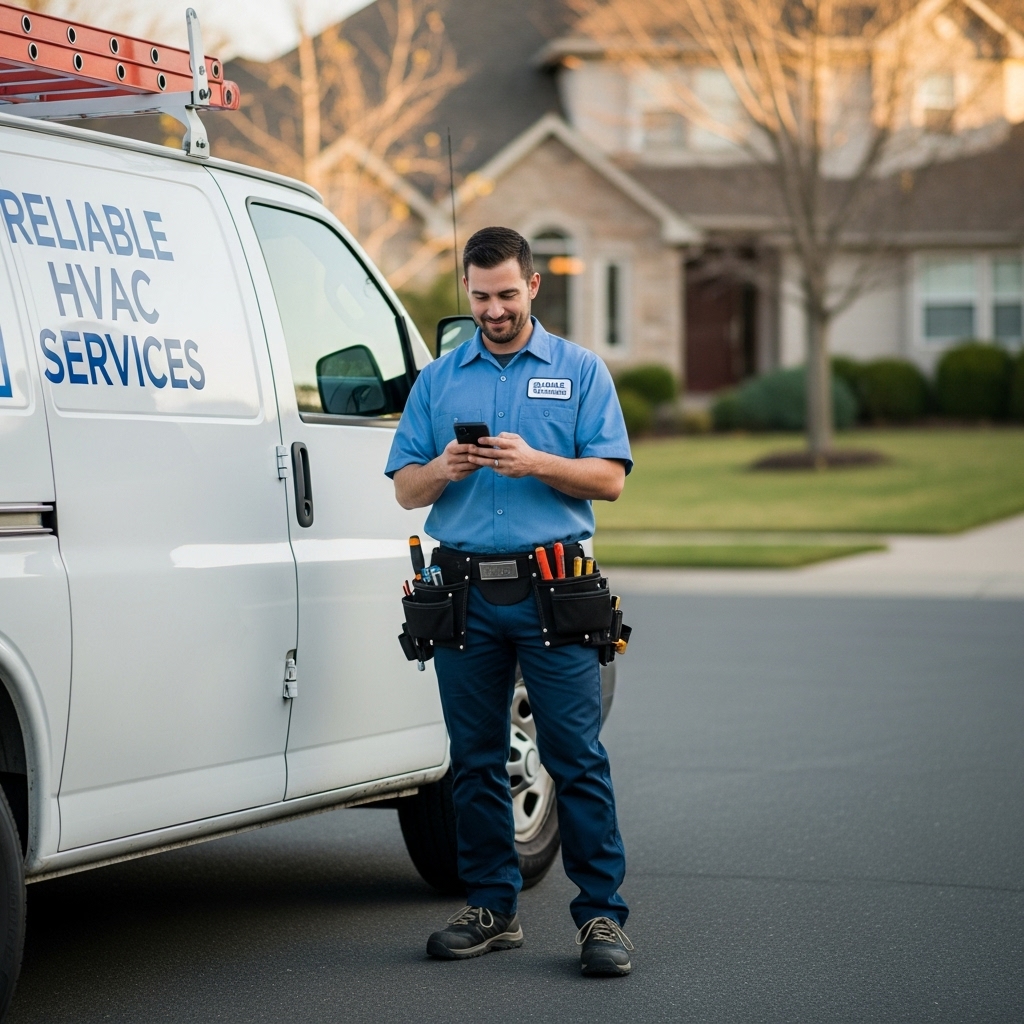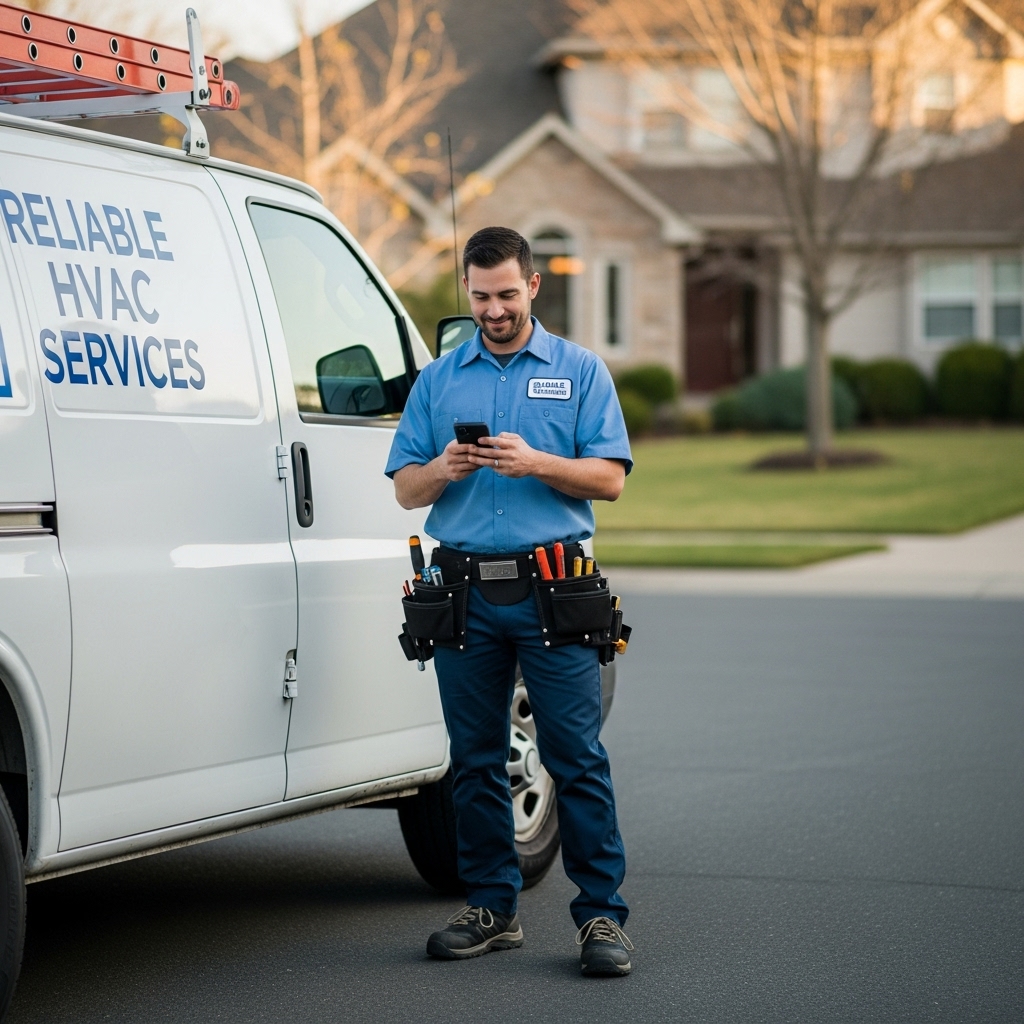

You just finished a $3,000 plumbing repair. The customer pulls out their phone and asks, “Can I pay with a credit card?”
If you say no, there’s a decent chance they’ll choose a different contractor next time, even if that competitor charges more. Payment convenience matters that much. But if you accept every payment method without understanding the costs, you might drain your margins with unnecessary fees or expose yourself to bounced checks.
The key isn’t accepting everything. It’s choosing the right payment mix that matches your business model, customer preferences, and growth goals.
This guide helps you decide which payment methods, cash, check, or card, make sense for your specific field service business. We’ll walk through customer demographics, job types, cash flow needs, and business size. Different contractor types need different approaches. A solo HVAC technician running emergency repairs has different payment needs than a 15-person electrical company handling commercial contracts.
What Payment Methods Do Your Customers Actually Want to Use?
How Do Customer Demographics Influence Payment Preferences?
Your customers’ ages directly determine which payment methods they expect. According to EverCommerce research, 44.1% of service customers prefer paying by card, 35.5% prefer checks, and 15.6% prefer cash. But these preferences shift dramatically by generation.
Customers under 40 strongly prefer cards and digital payments. They grew up with credit cards and mobile wallets. If you serve younger homeowners or property managers, cards aren’t optional; they’re expected.
Customers between 40-65 are comfortable with multiple methods but trend toward cards. They’ll use whatever you accept, but they appreciate the speed of swiping a card.
Customers over 65 still heavily use checks, with 75% of retirement-age Americans writing them regularly. If you serve older homeowners, common for HVAC maintenance or plumbing repairs, checks remain relevant.
Your customer base determines your payment priority. Serving suburban families with young kids? Prioritize cards. Working in retirement communities? Keep accepting checks.
Does Your Job Type Determine Which Payment Methods Work Best?
Job characteristics, size, urgency, and frequency dictate which payment methods make practical sense.
Emergency and small repairs ($100-500) work best with cash or cards. When a water heater fails at 9 PM, customers want it fixed and paid for quickly. Cash delivers instant payment. Cards process in seconds. Checks create delays that don’t match urgency.
Routine maintenance and mid-size repairs ($500-2,000) heavily favor card payments. At this price point, many customers prefer financing options on their credit cards rather than paying the full amount upfront.
Large installations ($2,000-10,000+) need cards to enable customer financing. Few homeowners write checks this large without hesitation. Credit cards let them finance big purchases.
Commercial contracts often require checks due to accounts payable systems. Government agencies and property management companies process payments through accounting departments that issue checks. For recurring services like lawn care or pest control, automated card billing eliminates manual invoicing.
Your average job size determines whether cash, check, or card makes the most sense. Match your payment methods to the work you actually do.
What Does Each Payment Method Actually Cost Your Business?
How Do You Calculate the True Cost of Cash and Check Payments?
Cash and checks appear free, with no processing fees, no merchant accounts. But this “free” status disappears when you factor in time, risk, and lost opportunities.
Cash carries hidden costs. You spend 15-20 minutes daily managing cash: making change, organizing bills, and driving to the bank. That’s 5-7 hours monthly, time you could spend on billable work. The average business burglary costs $1,500-2,500, and cash increases theft risk. If 40% of Americans never use cash for weekly purchases, you’re excluding potential customers by only accepting cash.
Checks create bounced payment risk. Field service businesses experience 3-5% bounced check rates. You complete a $2,000 HVAC repair, deposit the check, and 7 days later, it bounces. Now you’re chasing payment while paying $25-35 NSF fees. Checks take 3-5 days to clear, delaying access to your money.
Cash and checks might have zero processing fees, but the time spent managing them, bounced check risks, and lost customers create hidden costs that often exceed card processing fees.
What’s the Real ROI of Accepting Credit Card Payments?
Card processing fees feel like pure cost when you see them deducted from each transaction. But calculating return on investment reveals that fees typically pay for themselves.
Typical card processing costs run 2.6% + $0.10 for in-person card swipes. A $1,000 repair costs you $26.10 in fees. Monthly fees vary by processor but often run $0-25.
Calculate the investment: $50,000 monthly revenue × 2.6% = $1,300 in processing fees. But accepting cards typically increases job conversions by 10-15% because customers choose contractors who accept their preferred payment method.
Revenue increase: $50,000 × 10% = $5,000 additional monthly revenue. Net gain after fees: $5,000 – $1,300 = $3,700. You’re paying fees, yes, but winning significantly more revenue. Card payments arrive in 1-2 business days versus 3-5+ days for checks. You eliminate bounced check losses entirely. When a card payment is approved, you’re guaranteed to get paid.
Card processing fees of 2-3% typically pay for themselves through increased job conversions and faster cash flow.
How Does Your Cash Flow Situation Impact Payment Method Choices?
When Does Fast Payment Processing Matter Most?
Payment speed directly affects your ability to cover expenses, pay staff, and reinvest in growth. Some situations make fast payment processing critical.
Growing businesses with high overhead need funds within 1-2 days. When you’re making weekly payroll for 5-10 employees, carrying vehicle payments and insurance, and buying materials for multiple jobs, waiting 5-7 days for checks creates cash flow gaps. Card payments that arrive in 1-2 business days keep cash flowing consistently.
Seasonal businesses face concentrated cash flow challenges. Landscaping companies need to capture revenue during the growing season to cover lean winter months. Waiting 7-10 days for check payments during peak season means you miss opportunities to reinvest in equipment when you need it most.
New businesses without cash reserves can’t afford payment delays. When you’re running on tight margins, a 5-day delay waiting for a check might mean you can’t buy parts for the next job.
If you need funds within 1-2 days to cover expenses, card payments are essential; checks and cash create too much delay.
What Payment Method Protects You from Late or Missing Payments?
Payment security, knowing you’ll actually get paid and how quickly you’ll discover problems, varies dramatically across cash, check, and card options.
Cash delivers instant payment with zero non-payment risk. When a customer hands you $500, the transaction is complete. But cash introduces theft and loss risk; technicians carrying $2,000+ become robbery targets.
Checks carry a significant bounced payment risk. You complete the work, the customer writes a check, and everything seems fine. Seven days later, the check bounces. Now you’ve delivered the service for free and need to chase payment.
Card payments approved at the point of service virtually eliminate non-payment risk. When you swipe a card, and the payment is approved, you know immediately whether the transaction succeeds. If a card is declined, you know before leaving the job site and can request alternative payment.
Chargebacks occur, but are rare with proper documentation. Customers can dispute charges, but this happens in less than 1% of transactions when you maintain service agreements, photos, and detailed invoices.
How Do You Implement the Right Payment Mix for Your Business?
What Payment Methods Should Small Contractors (1-5 Employees) Prioritize?
Small operations need simple, effective payment systems that don’t create administrative overhead. Every hour spent managing payments is an hour not spent on billable work.
Prioritize card payments as your primary method. Cards meet customer expectations, process quickly, and integrate with field service management software. Start with basic mobile card readers that cost $0-50. Square, Stripe, and similar processors make setup simple with transparent pricing.
Accept checks as a secondary option for large commercial jobs. If you do $5,000+ installations or work with commercial clients who require check processing, accommodate them. But require payment upon service completion when possible.
Keep cash available as a backup for customer requests. Some customers genuinely prefer cash, especially older homeowners. But don’t make cash your primary method, the security risks and shrinking customer base limit its usefulness.
Small contractors benefit most from card payment processing integrated with scheduling and invoicing software. Look for field service management platforms that include payment processing. FieldServ AI, for example, integrates payment processing directly into job workflows, technicians can collect payment immediately after completing work, and the transaction automatically syncs with the invoice.
How Should Growing Businesses (6-20 Employees) Expand Payment Options?
Scaling businesses need payment systems that work consistently across multiple technicians and integrate with accounting software.
Offer all three payment methods with the card as the primary. At this scale, you serve diverse customer types: residential, commercial, emergency repairs, and scheduled maintenance. Different segments prefer different payment methods.
Equip every technician with mobile card readers and consistent payment processes. When you have 10 technicians in the field, payment collection can’t vary by person. Standardize the approach: complete work, review invoice, collect payment immediately, and provide a receipt.
Integrate payment processing with accounting software. QuickBooks, Xero, and similar platforms should automatically sync with your payment system. When a technician collects a $1,500 card payment, it should flow directly into your accounting system. A product of LeadProspecting AI, FieldServ AI offers QuickBooks integration that automatically syncs payments, invoices, and customer data, with no double entry required.
Implement customer payment portals for invoices and recurring billing. Customer portals let clients view invoices, pay outstanding balances, and set up automatic payments for recurring services.
Track which payment methods work best for your customer base. If 80% of payments come through cards and only 5% through cash, you might stop accepting cash to reduce complexity.
Bottom Line
Your payment method strategy depends on your customers, job types, cash flow needs, and business size. Most field service contractors succeed with card payments as primary, checks for commercial work, and cash as backup.
Small contractors should start with card processing integrated into field service management software. Growing businesses benefit from offering all three methods with automated accounting integration.
If you don’t currently accept card payments, that’s your first priority; the revenue increase from winning more jobs typically exceeds processing fees within the first month.